


Every ingredient. Every reason.
Transparency is the standard. Here is the complete breakdown of what goes into daily reds, what each ingredient is, what the research says, and how much of it you're getting.
Antioxidant & circulatory complex
Ten of the highest antioxidant-density foods on earth, working together in every scoop.
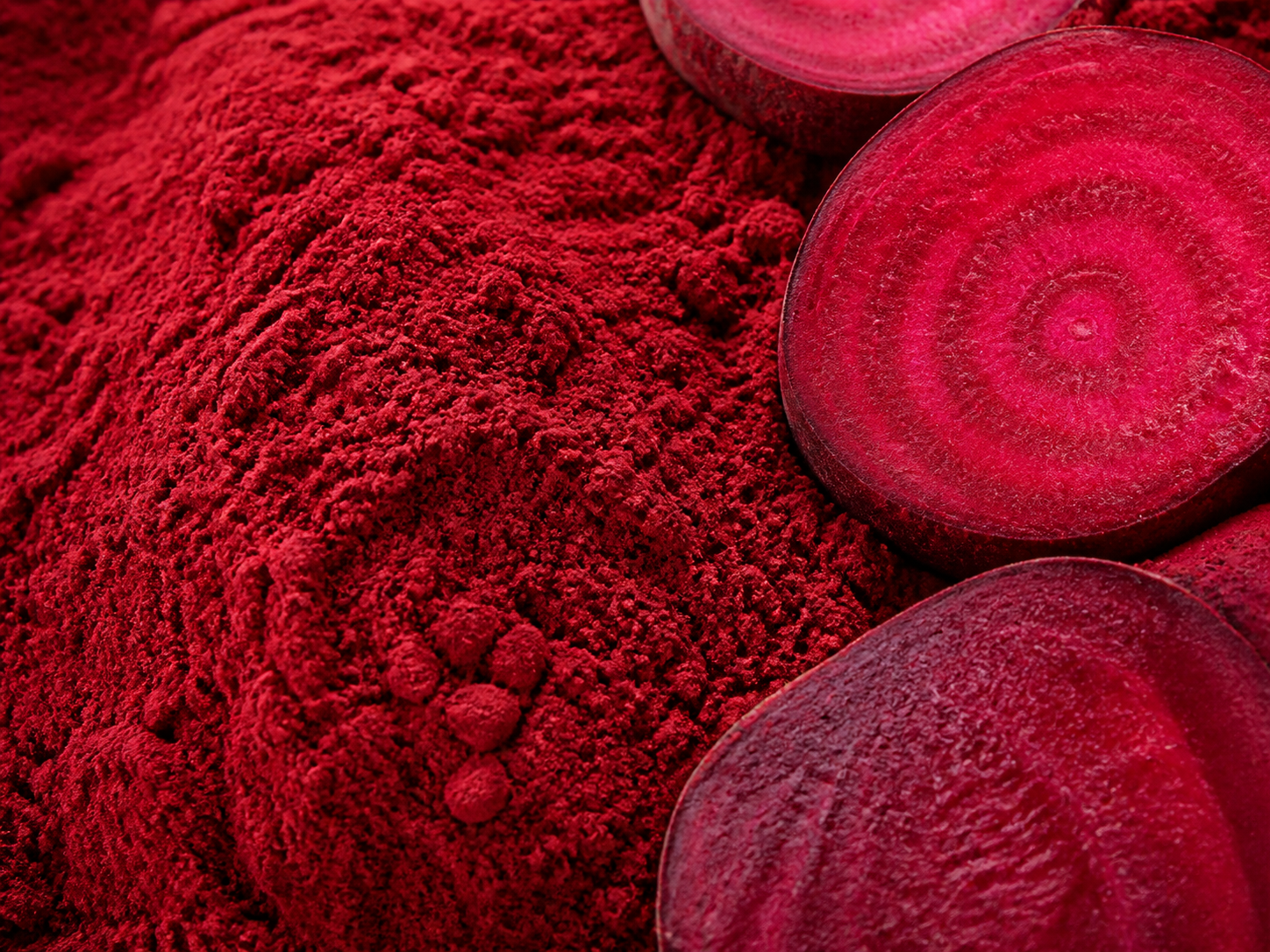
Beet root powder
One of the richest dietary sources of inorganic nitrates. Research shows nitrate supplementation increases plasma nitrite, supports endothelial function, and improves circulation and exercise performance. Journal of Applied Physiology, 2010.
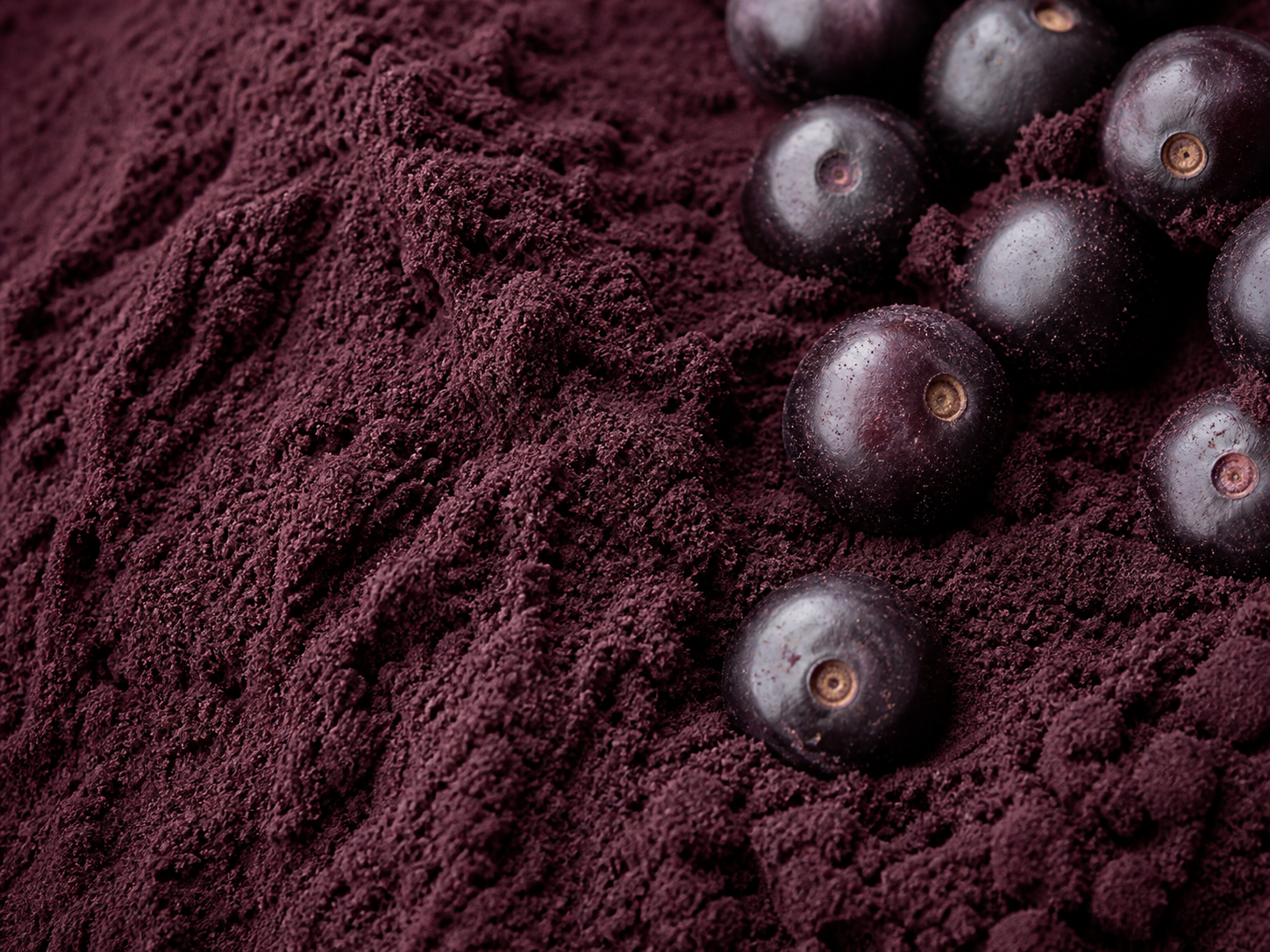
Acai juice powder
Freeze-dried Brazilian berry with one of the highest ORAC antioxidant scores of any food. Rich in anthocyanins and flavonoids that neutralise free radicals. Associated with reduced oxidative stress markers and improved lipid profiles. Journal of Agricultural and Food Chemistry, 2006.
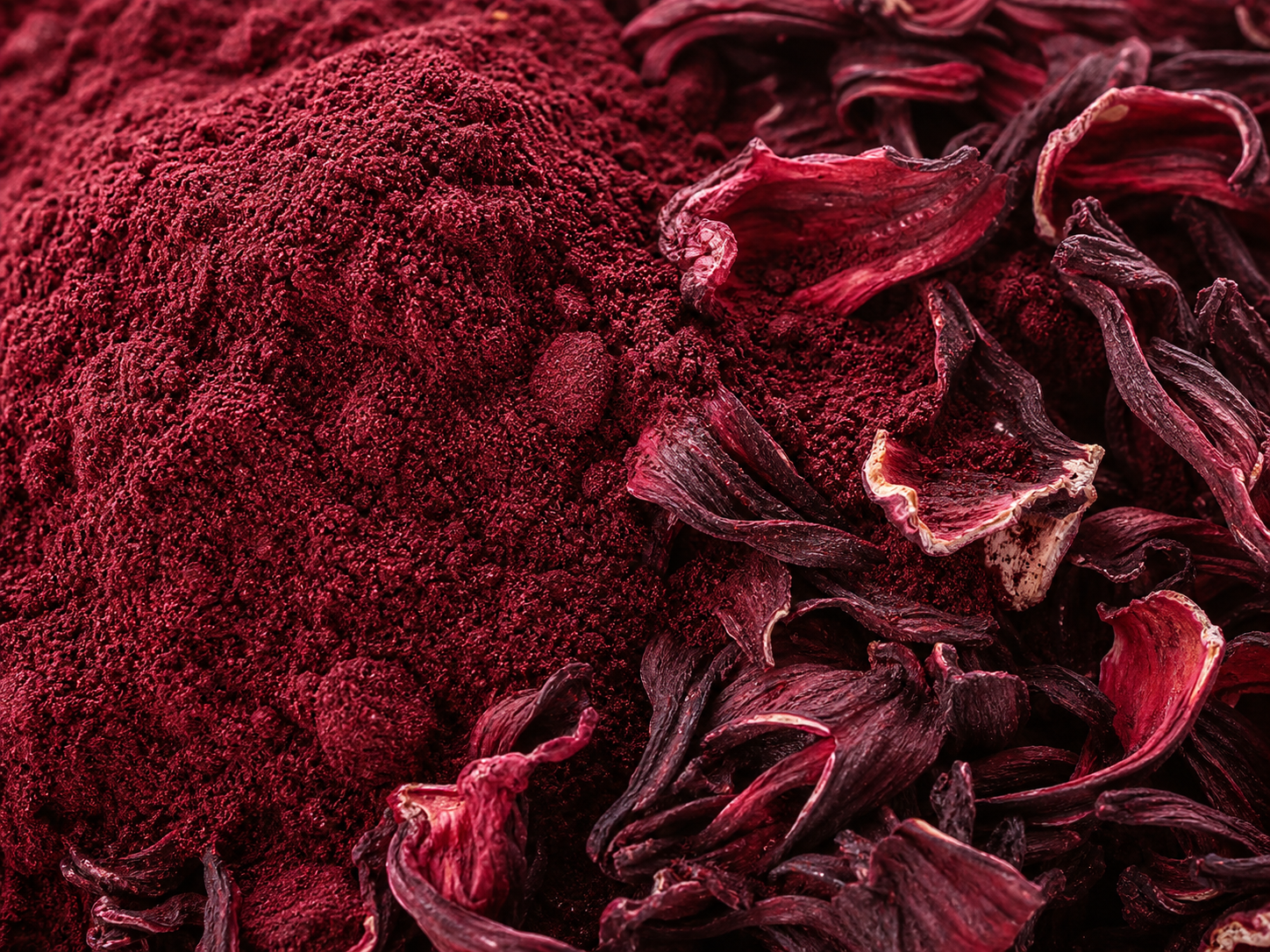
Hibiscus powder
Multiple randomised controlled trials support hibiscus supplementation for maintaining healthy blood pressure already within normal range. Rich in organic acids, anthocyanins, and Vitamin C. Journal of Human Hypertension, 2015.
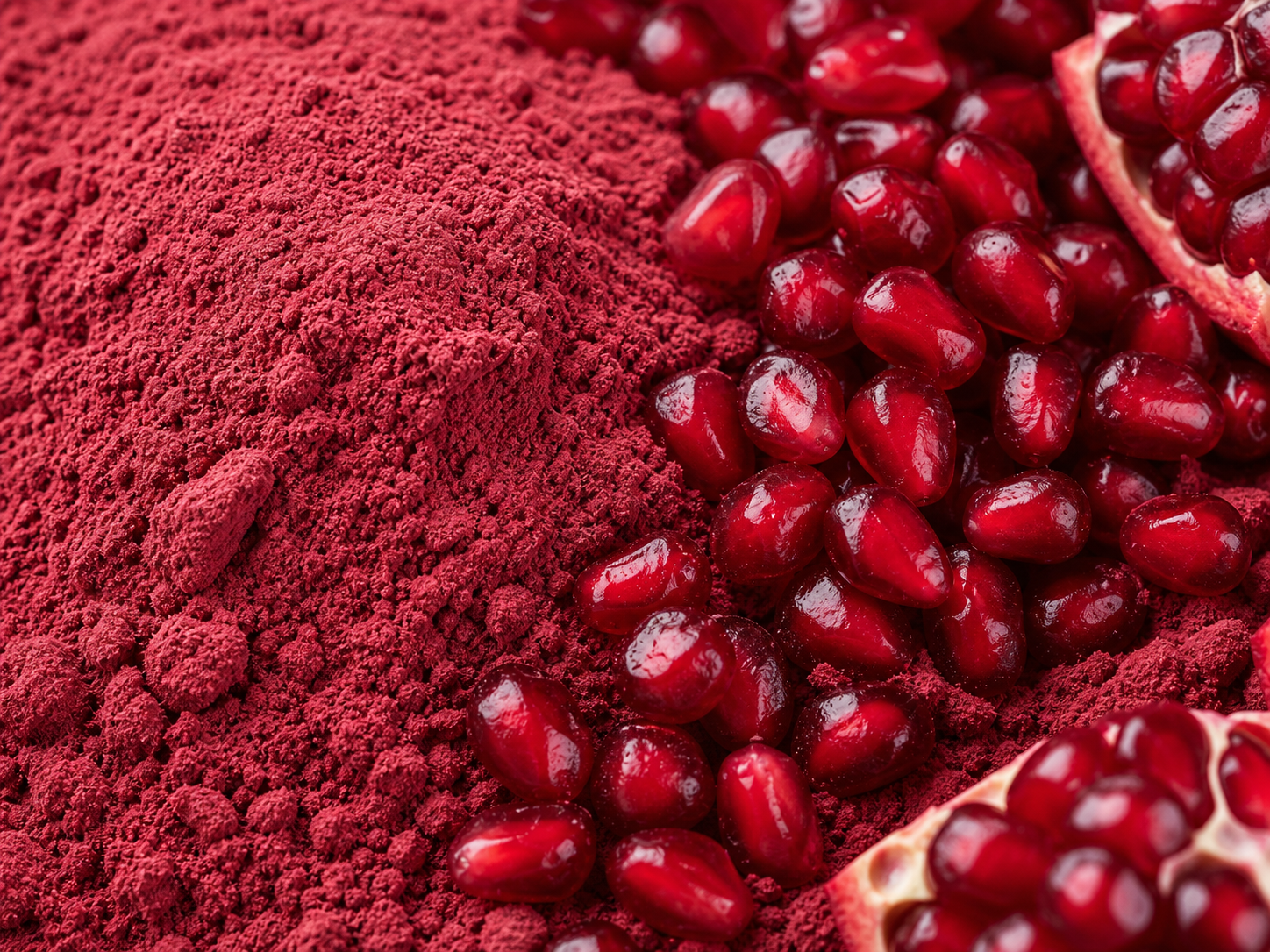
Pomegranate powder
Contains punicalagins, unique ellagitannins converted by gut bacteria into urolithins with demonstrated anti-inflammatory and cellular protection effects. Also supports healthy endothelial function. Advances in Nutrition, 2017.
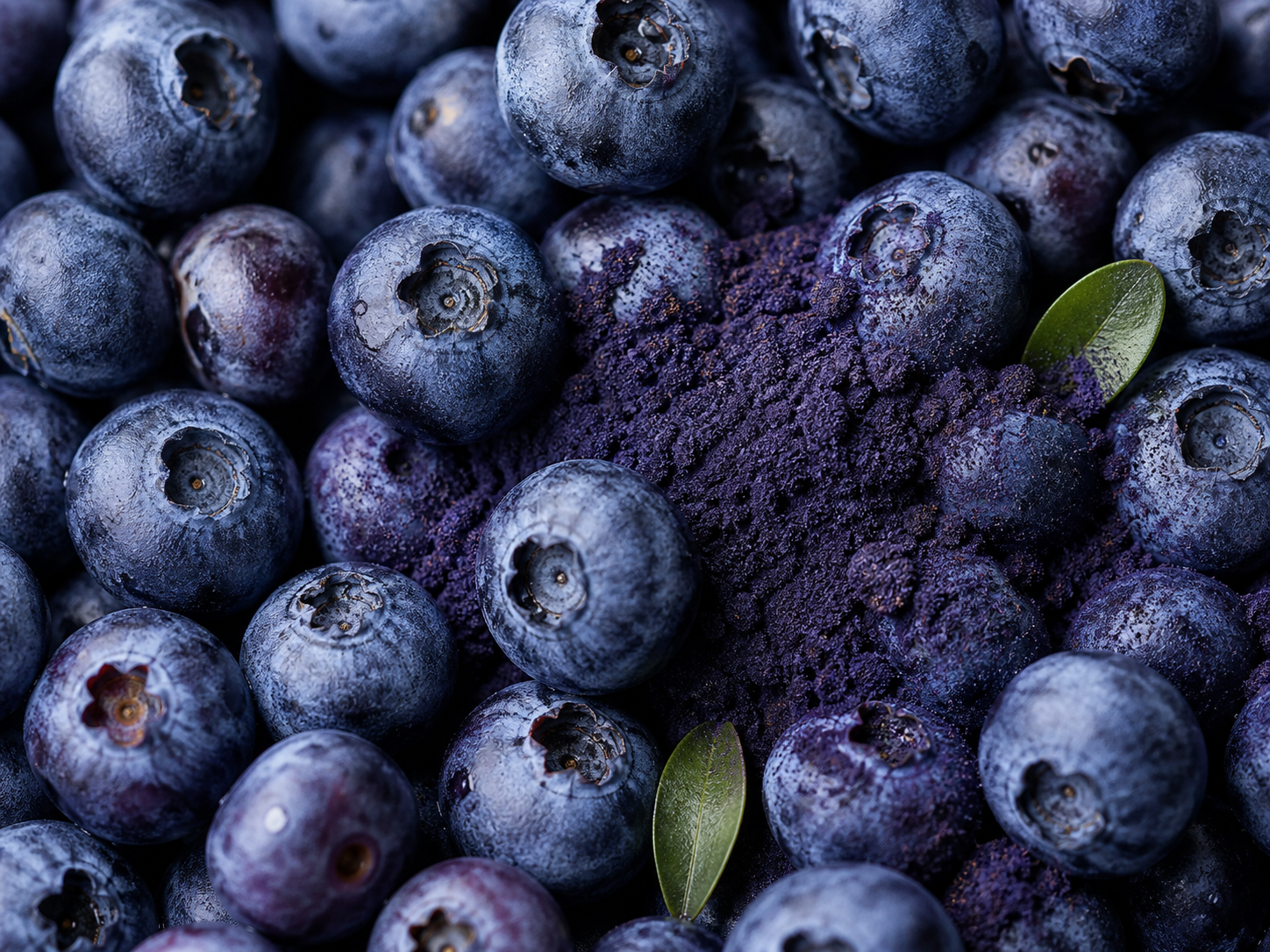
Blueberry extract
Concentrated, standardised for anthocyanin content. Associated with improved memory, reduced oxidative stress, and cardiovascular support. One of the most studied foods in nutritional science. Annals of Neurology, 2012.
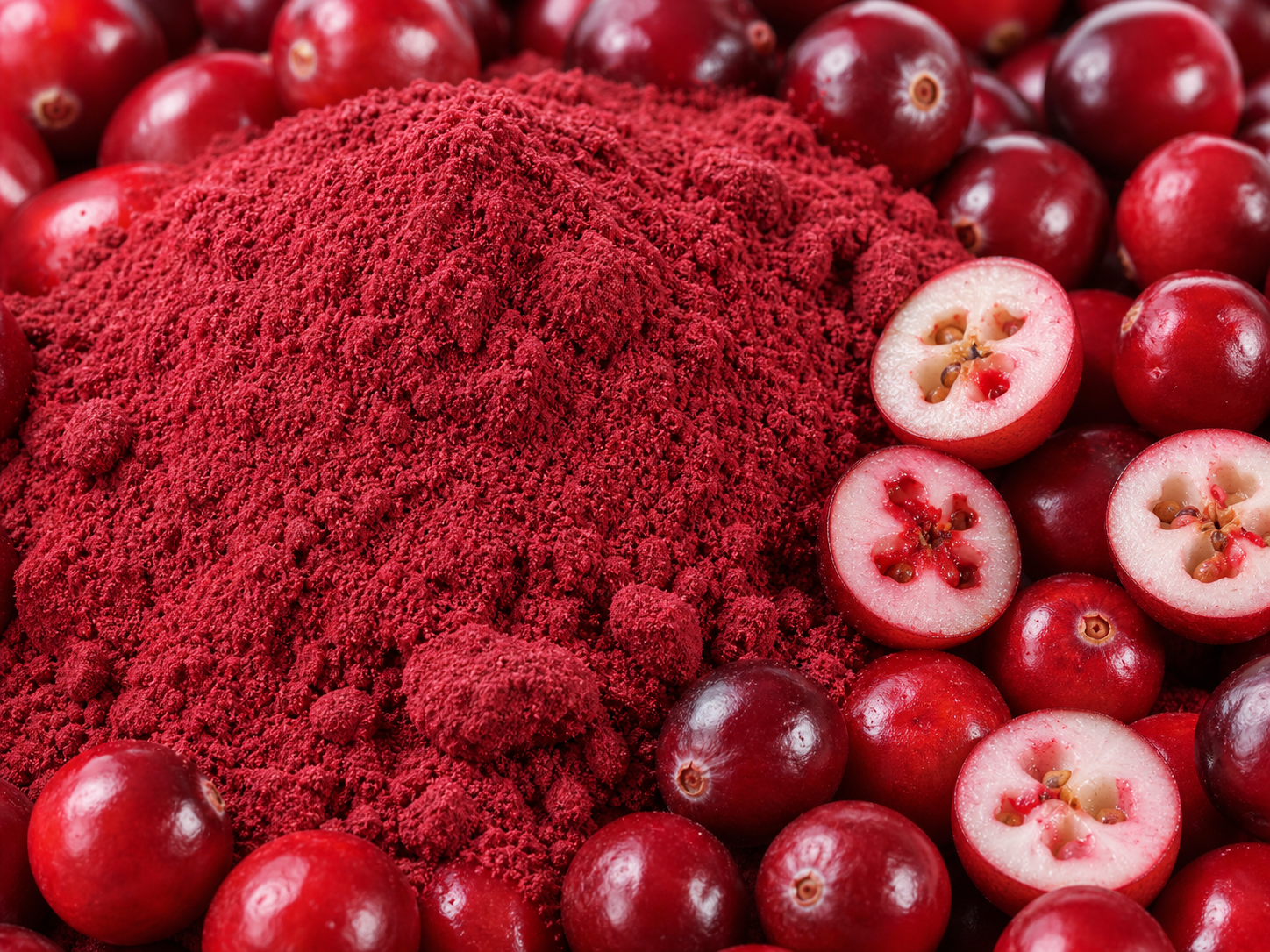
Cranberry powder
Standardised for proanthocyanidin content. Cranberry proanthocyanidins support urinary tract health by inhibiting bacterial adhesion. Also contributes to the formula's total antioxidant and anti-inflammatory load. American Journal of Clinical Nutrition, 2014.
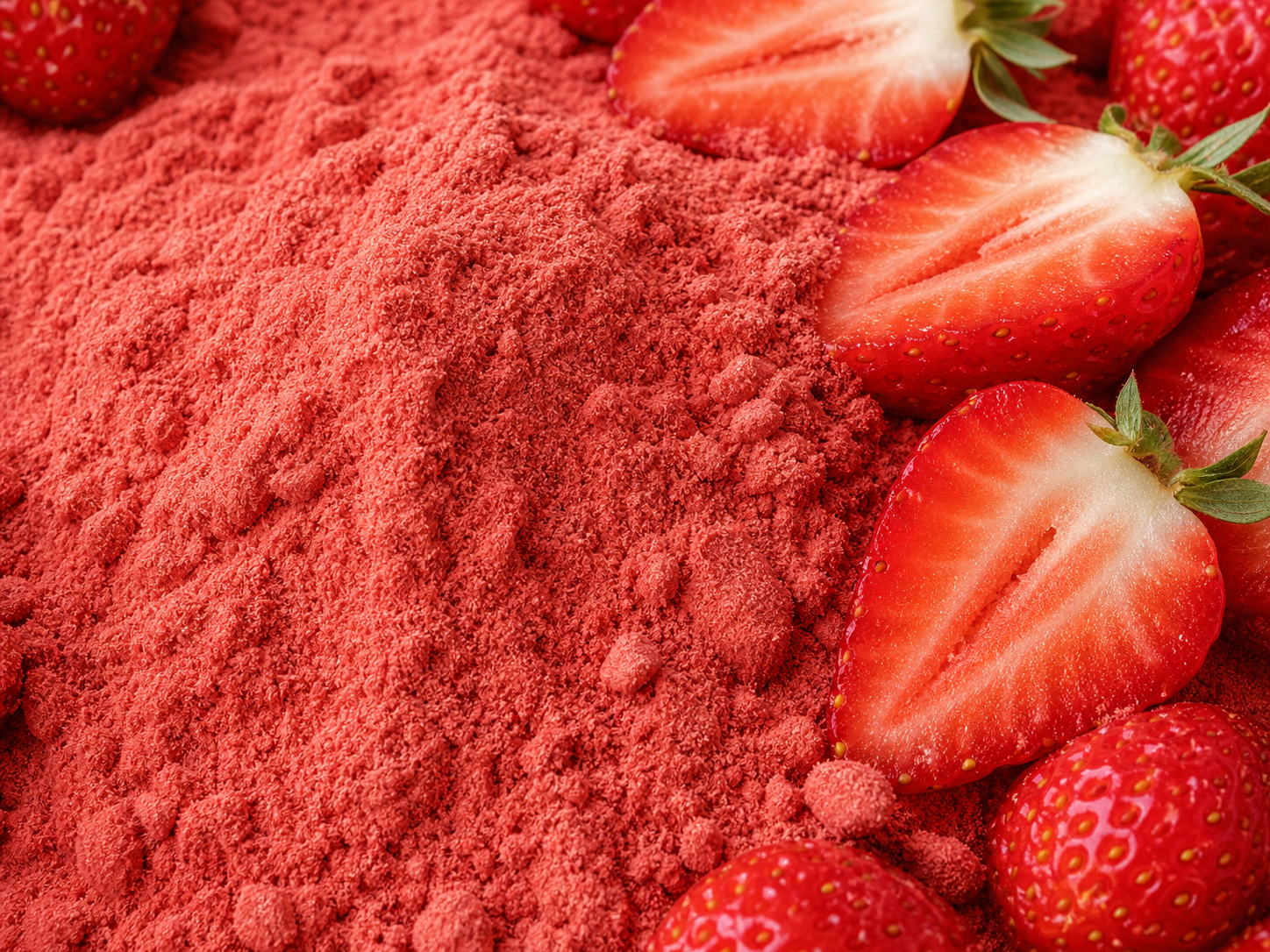
Strawberry juice powder
Rich in ellagic acid, anthocyanins, and Vitamin C. Research links strawberry consumption to reduced LDL oxidation, improved endothelial function, and lower inflammatory markers. One of the most antioxidant-dense fruits by weight. Journal of Nutritional Biochemistry, 2010.
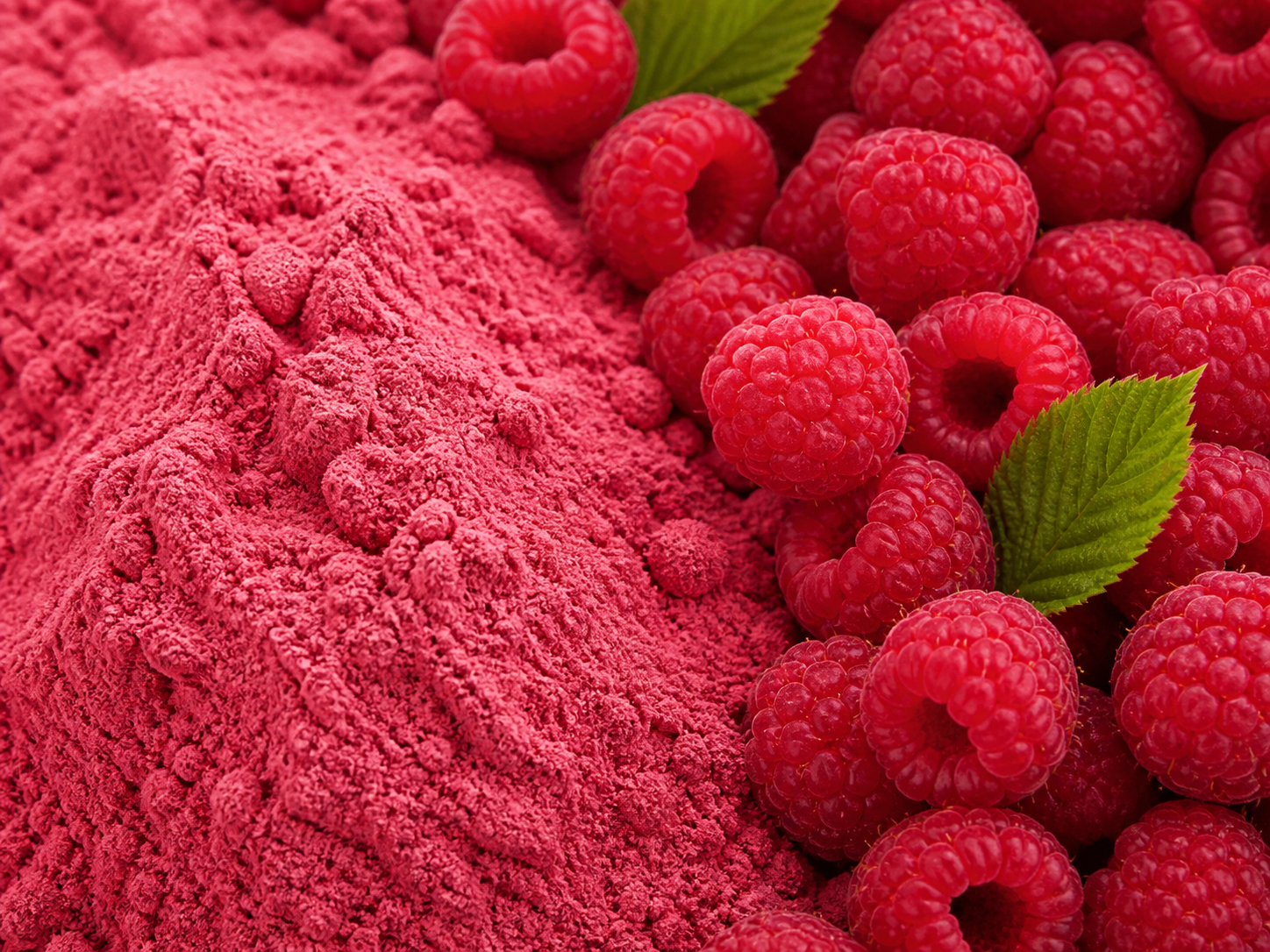
Raspberry powder
High in ellagitannins and quercetin, which support cardiovascular health by reducing oxidative stress and inflammation. Also associated with improved insulin sensitivity and healthy blood glucose regulation. Food Chemistry, 2011.
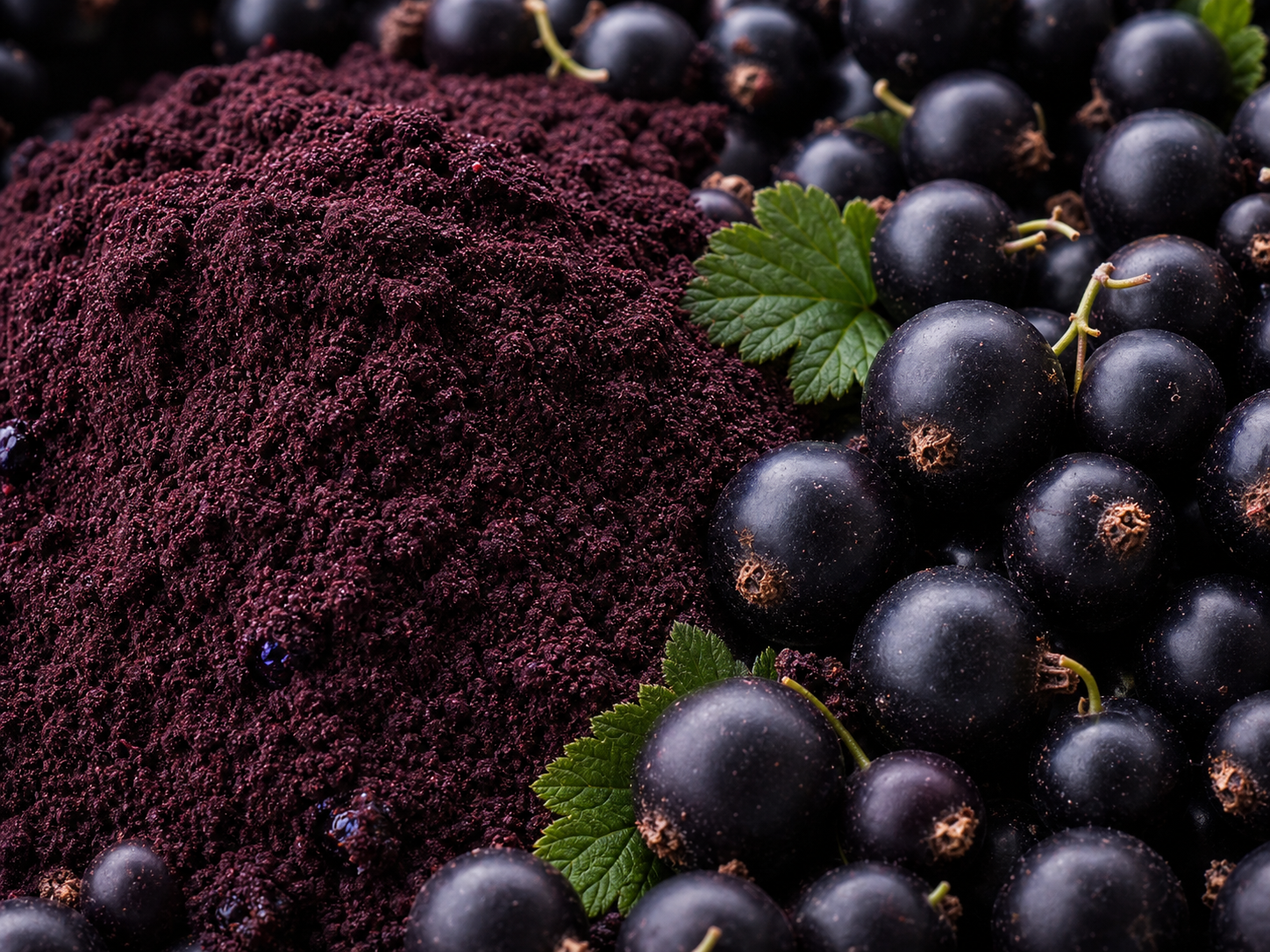
Black currant powder
One of the richest fruit sources of anthocyanins, particularly delphinidin and cyanidin. Research supports its role in reducing oxidative stress, improving visual acuity, and supporting microcirculation. European Journal of Nutrition, 2014.
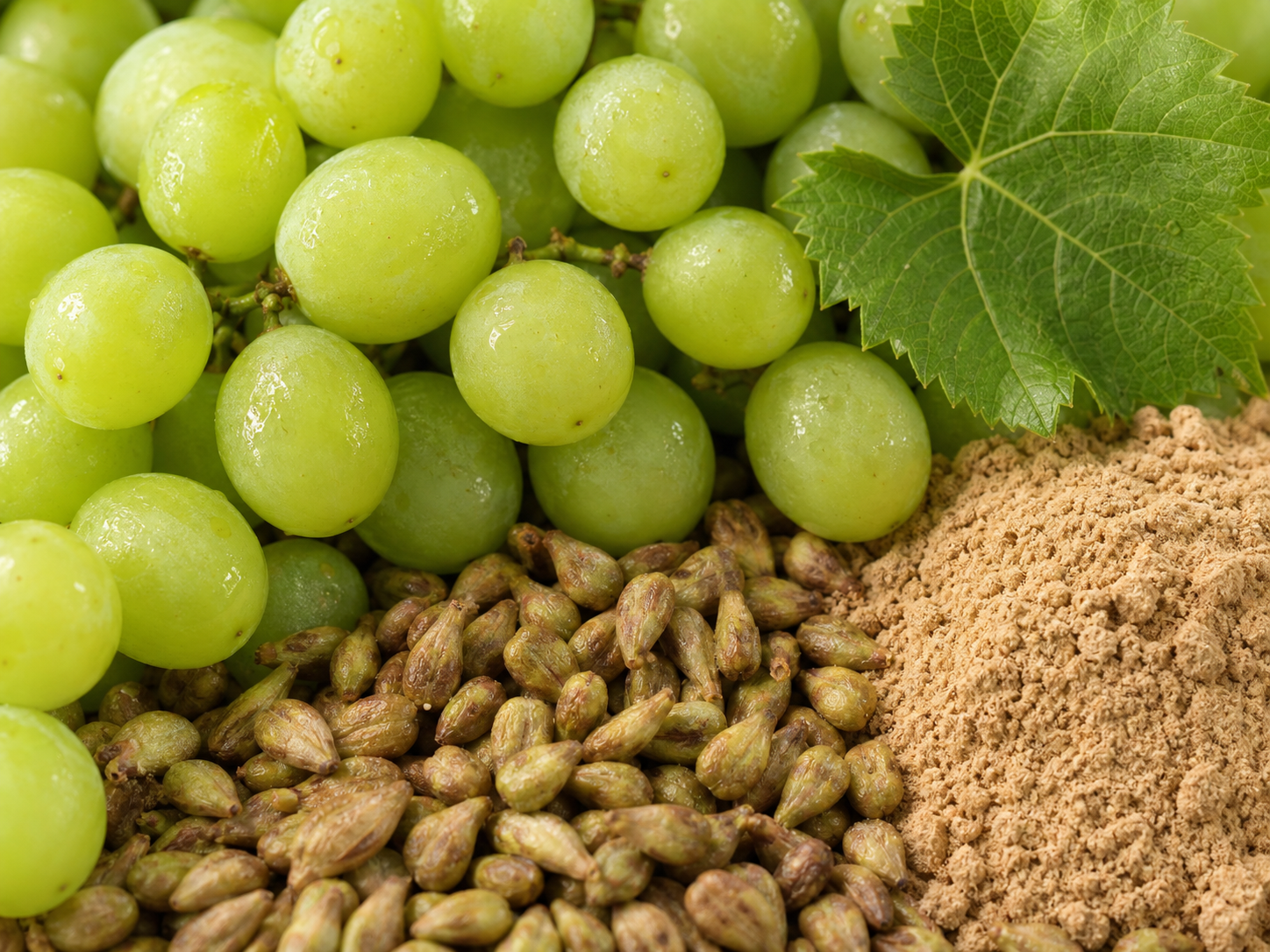
Grape seed extract
Standardised for oligomeric proanthocyanidins (OPCs), among the most potent antioxidant compounds identified. Multiple RCTs show significant reductions in systolic blood pressure and LDL oxidation. American Journal of Clinical Nutrition, 2009.
Beet root powder
One of the richest dietary sources of inorganic nitrates. Research shows nitrate supplementation increases plasma nitrite, supports endothelial function, and improves circulation and exercise performance. Journal of Applied Physiology, 2010.
Acai juice powder
Freeze-dried Brazilian berry with one of the highest ORAC antioxidant scores of any food. Rich in anthocyanins and flavonoids that neutralise free radicals. Associated with reduced oxidative stress markers and improved lipid profiles. Journal of Agricultural and Food Chemistry, 2006.
Hibiscus powder
Multiple randomised controlled trials support hibiscus supplementation for maintaining healthy blood pressure already within normal range. Rich in organic acids, anthocyanins, and Vitamin C. Journal of Human Hypertension, 2015.
Pomegranate powder
Contains punicalagins, unique ellagitannins converted by gut bacteria into urolithins with demonstrated anti-inflammatory and cellular protection effects. Also supports healthy endothelial function. Advances in Nutrition, 2017.
Blueberry extract
Concentrated, standardised for anthocyanin content. Associated with improved memory, reduced oxidative stress, and cardiovascular support. One of the most studied foods in nutritional science. Annals of Neurology, 2012.
Cranberry powder
Standardised for proanthocyanidin content. Cranberry proanthocyanidins support urinary tract health by inhibiting bacterial adhesion. Also contributes to the formula's total antioxidant and anti-inflammatory load. American Journal of Clinical Nutrition, 2014.
Strawberry juice powder
Rich in ellagic acid, anthocyanins, and Vitamin C. Research links strawberry consumption to reduced LDL oxidation, improved endothelial function, and lower inflammatory markers. One of the most antioxidant-dense fruits by weight. Journal of Nutritional Biochemistry, 2010.
Raspberry powder
High in ellagitannins and quercetin, which support cardiovascular health by reducing oxidative stress and inflammation. Also associated with improved insulin sensitivity and healthy blood glucose regulation. Food Chemistry, 2011.
Black currant powder
One of the richest fruit sources of anthocyanins, particularly delphinidin and cyanidin. Research supports its role in reducing oxidative stress, improving visual acuity, and supporting microcirculation. European Journal of Nutrition, 2014.
Grape seed extract
Standardised for oligomeric proanthocyanidins (OPCs), among the most potent antioxidant compounds identified. Multiple RCTs show significant reductions in systolic blood pressure and LDL oxidation. American Journal of Clinical Nutrition, 2009.
Gut health complex
9 clinically-researched probiotic strains paired with prebiotic fibre, the complete gut ecosystem in one scoop.
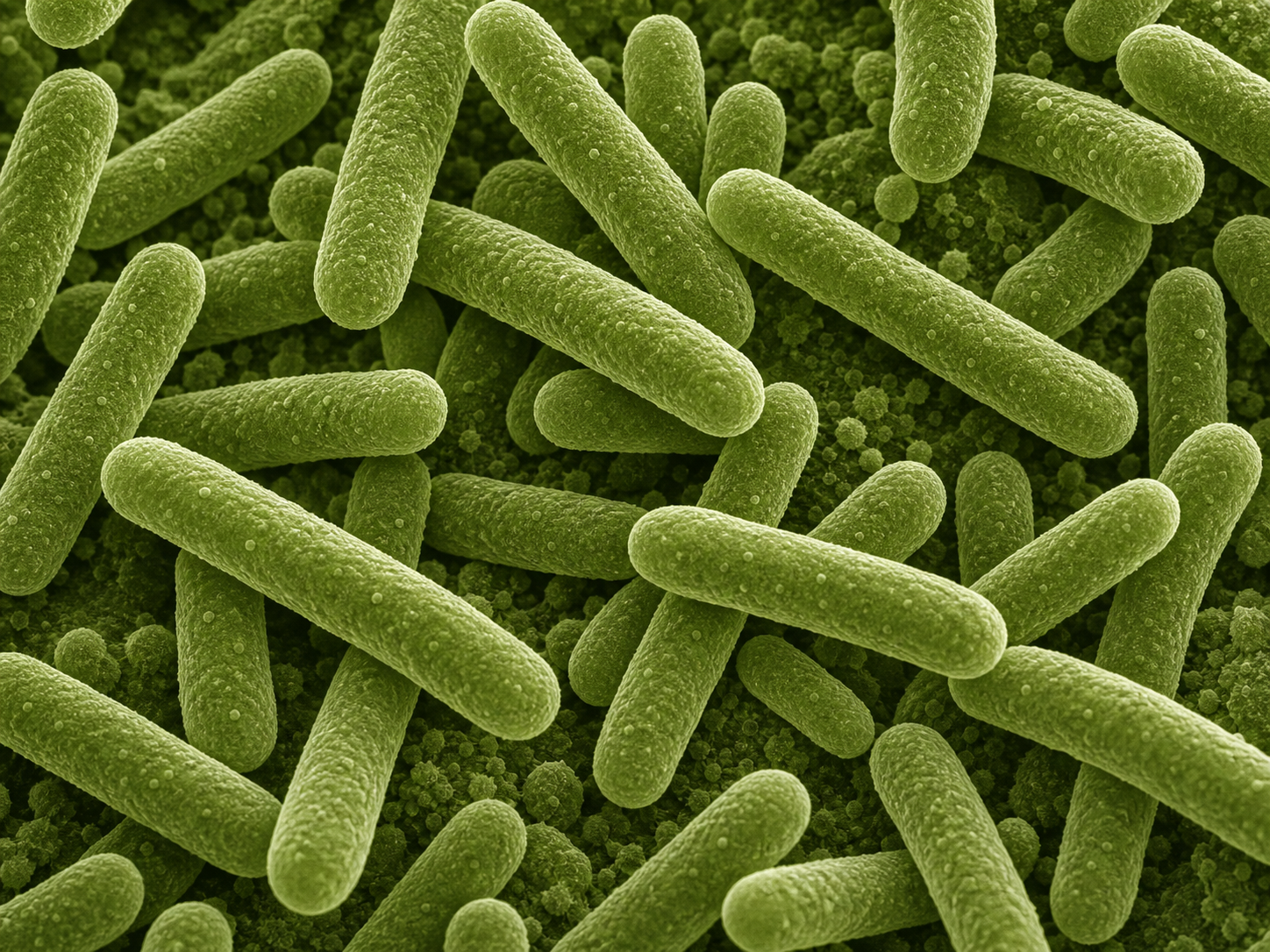
L. Acidophilus
One of the most extensively studied probiotic strains. Colonises the small intestine, produces lactic acid to inhibit harmful bacteria, and supports lactose digestion, immune modulation, and vaginal microbiome health.
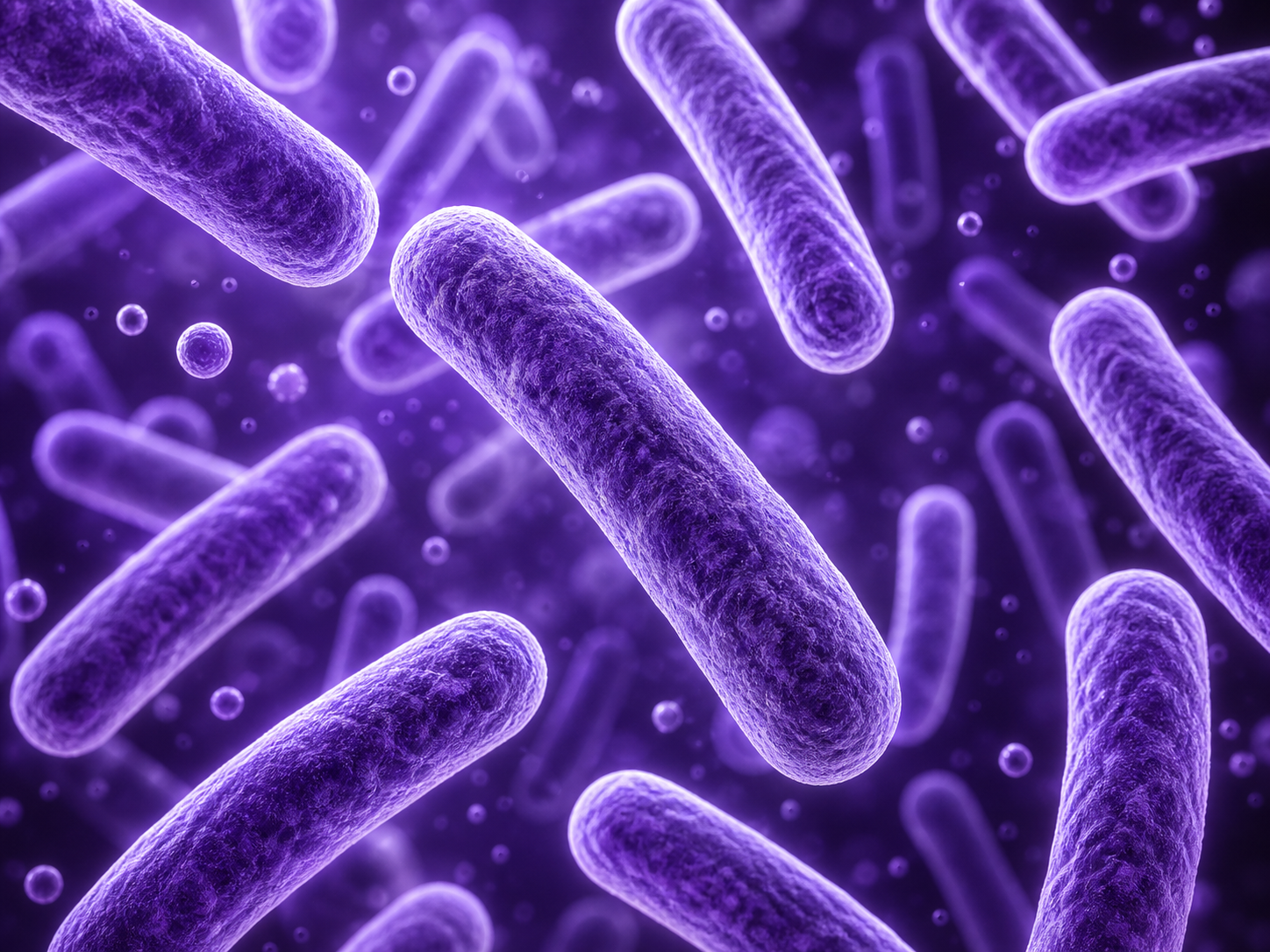
L. Salivarius
Colonises both the small intestine and colon. Produces bacteriocins that actively suppress pathogenic bacteria. Studied for its role in reducing gut inflammation, supporting oral microbiome health, and improving intestinal barrier integrity.
L. Plantarum
Highly resilient and able to survive stomach acid to reach the large intestine intact. Clinically studied for IBS symptom relief, reduction of intestinal permeability, and anti-inflammatory cytokine modulation.
L. Rhamnosus
Among the best-studied probiotic strains globally. Demonstrated benefits include prevention of antibiotic-associated diarrhoea, improved gut barrier function, and immune system support in children and adults.
L. Fermentum
Produces both lactic acid and hydrogen peroxide, creating an inhospitable environment for pathogens. Clinical trials show benefits for reducing respiratory infections, oxidative stress markers, and cholesterol levels. Nutrients, 2016.
L. Reuteri
Produces reuterin, a broad-spectrum antimicrobial compound, and is one of the few probiotic strains shown to colonise the gut long-term. Linked to improved bone density, reduced gut inflammation, and enhanced immune tolerance. Cell Host & Microbe, 2019.
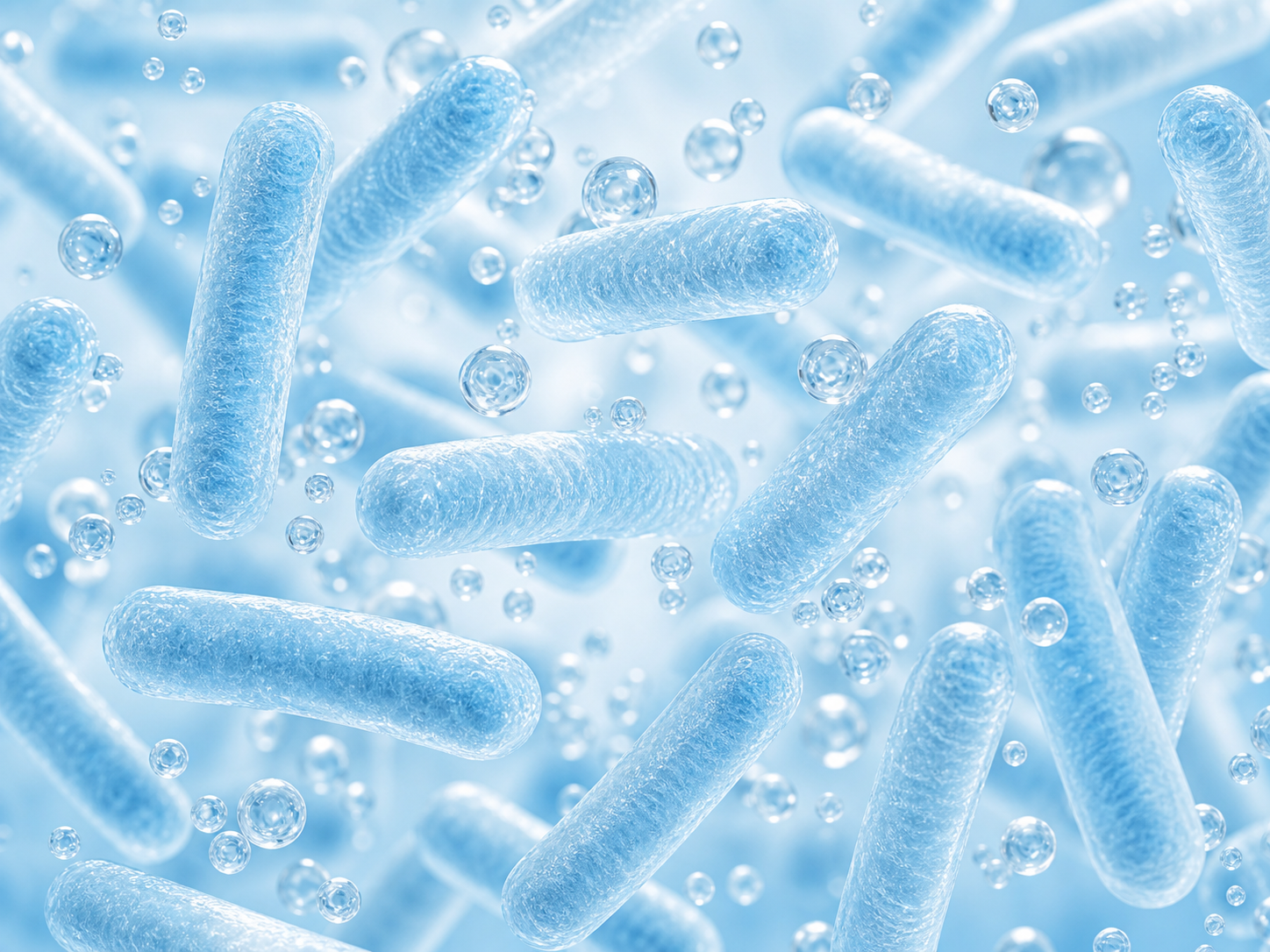
B. Lactis
Extensively studied Bifidobacterium strain with strong evidence for improving bowel regularity, reducing constipation transit time, and enhancing innate immune response. One of the most clinically validated probiotic strains available. Journal of Digestive Diseases, 2011.
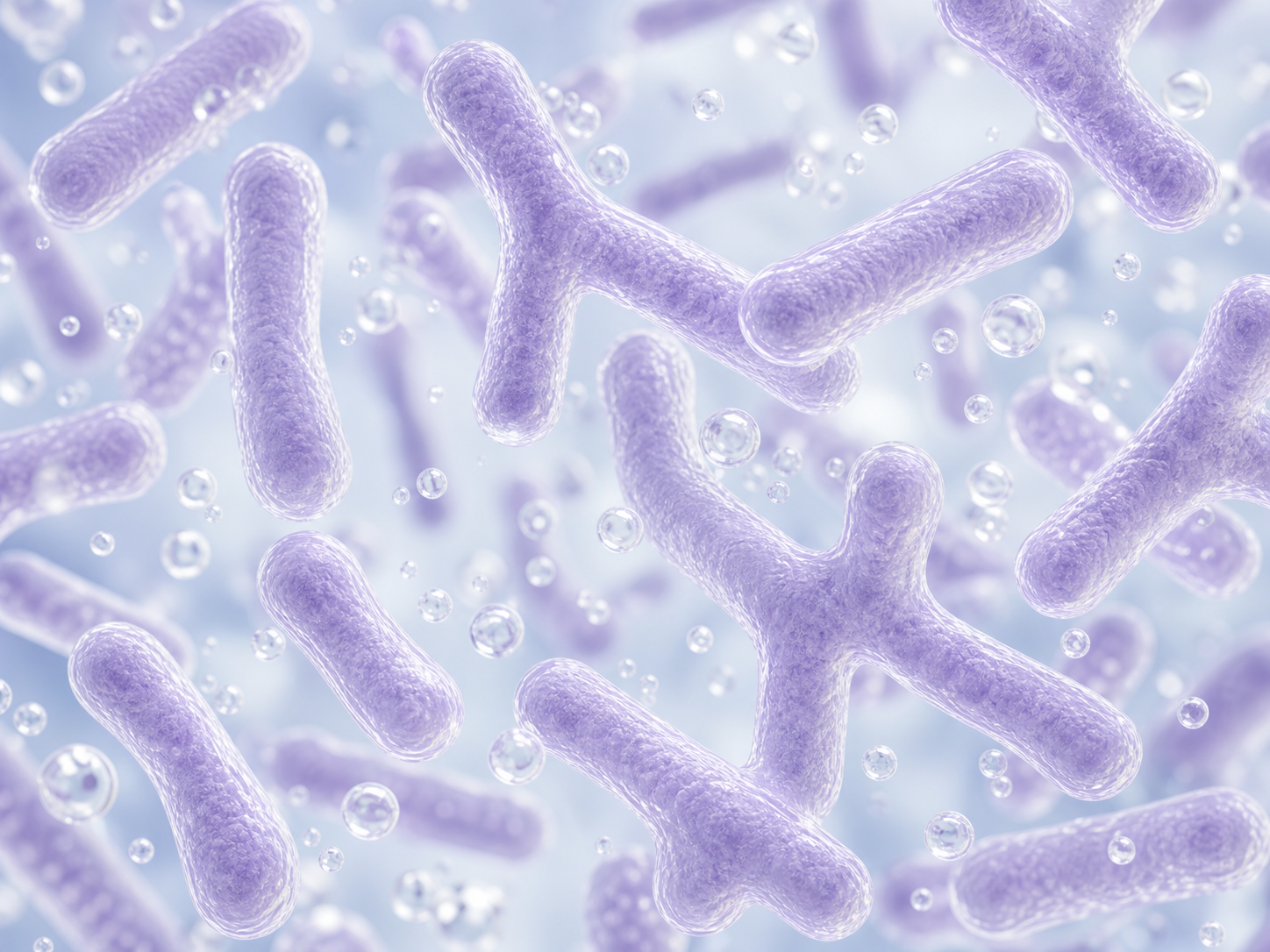
B. Bifidum
Among the dominant beneficial bacteria in the large intestine. Breaks down complex carbohydrates, supports mucus layer integrity in the gut wall, and is associated with reduced leaky gut and improved allergy symptoms. Beneficial Microbes, 2014.
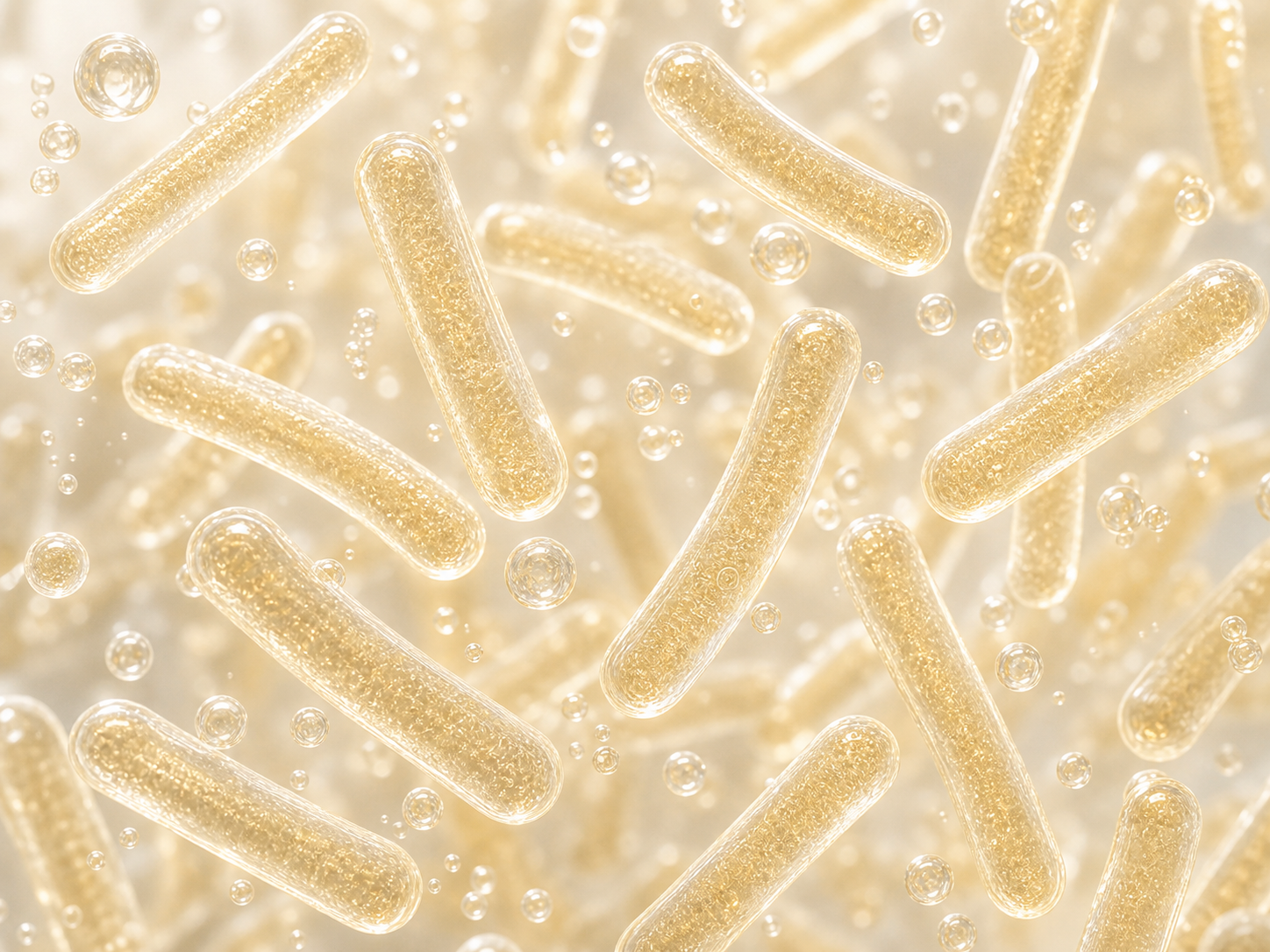
B. Longum
A dominant strain in a healthy adult gut microbiome. Produces short-chain fatty acids that nourish colon cells, support immune regulation, and are associated with improved mood via the gut-brain axis.
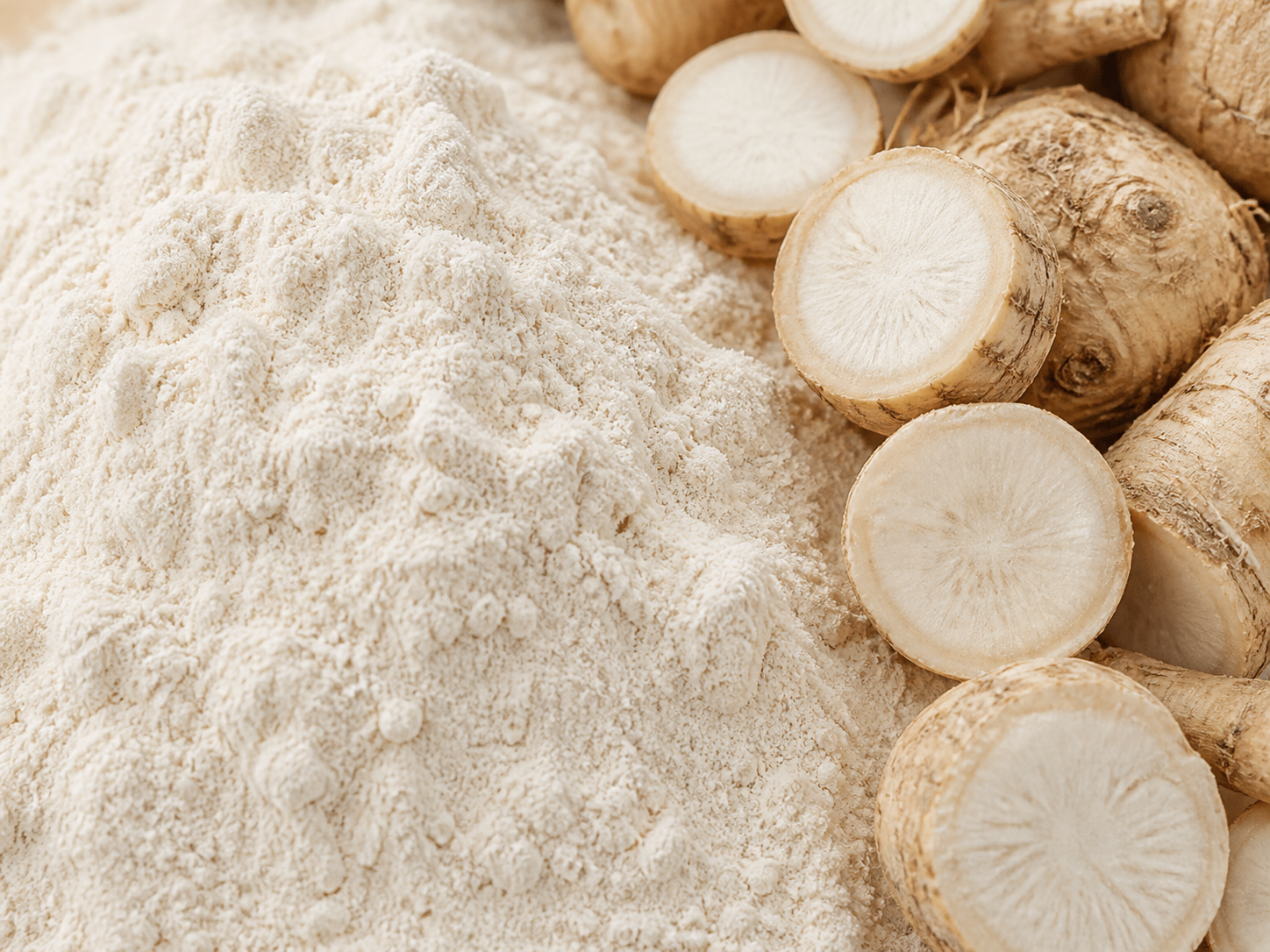
Inulin (prebiotic fibre)
Fructooligosaccharide fibre from chicory root. A prebiotic that selectively feeds Lactobacillus and Bifidobacterium species, amplifying the effect of all 9 probiotic strains in this formula. Probiotics without prebiotic support have limited colonisation.
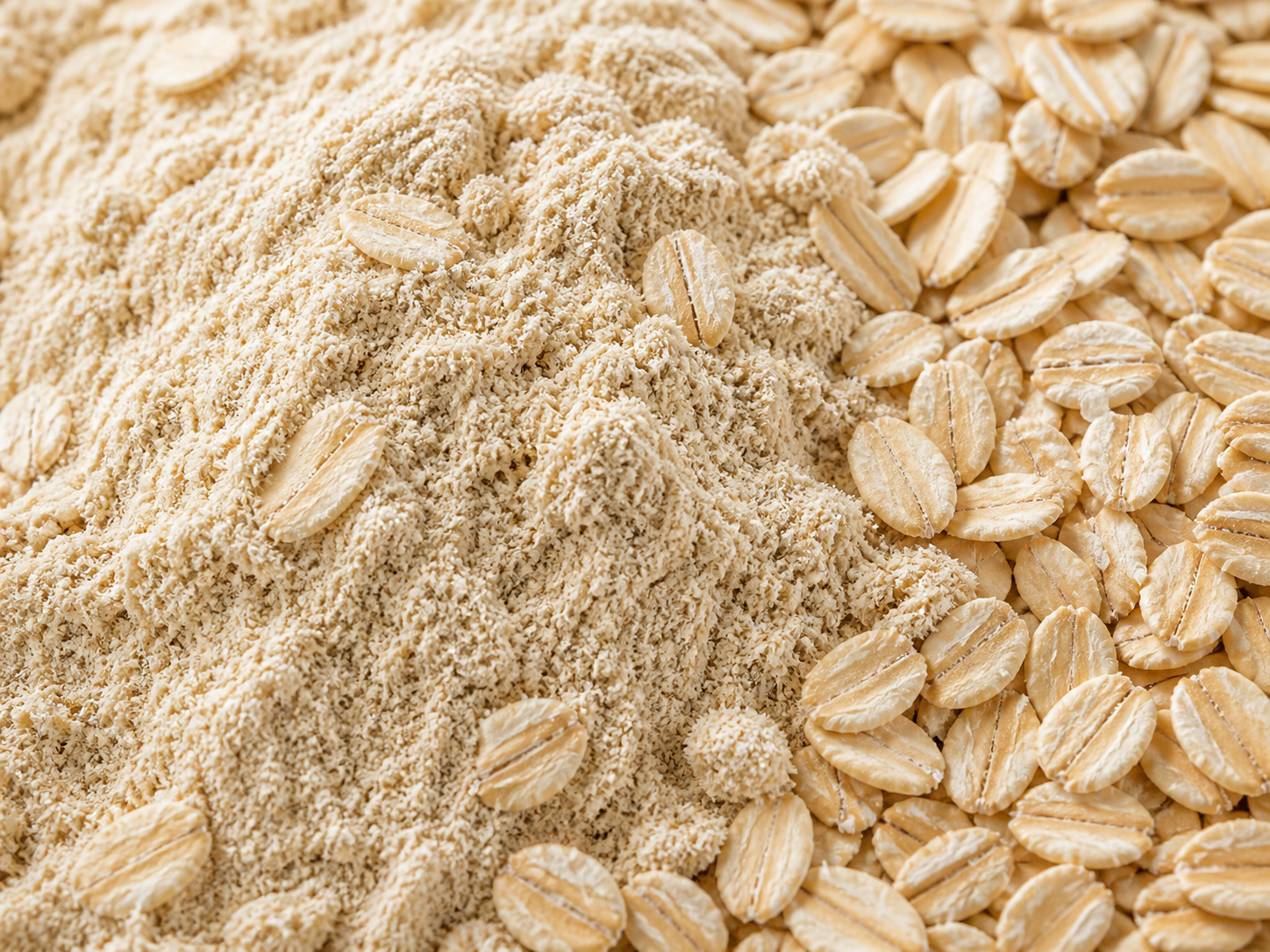
Oat fibre powder
Non-digestible fibre from oat bran. Contributes soluble fibre for gut motility, slow gastric emptying, and satiety support. Also provides an additional food source for beneficial gut microbes.
L. Acidophilus
One of the most extensively studied probiotic strains. Colonises the small intestine, produces lactic acid to inhibit harmful bacteria, and supports lactose digestion, immune modulation, and vaginal microbiome health.
L. Salivarius
Colonises both the small intestine and colon. Produces bacteriocins that actively suppress pathogenic bacteria. Studied for its role in reducing gut inflammation, supporting oral microbiome health, and improving intestinal barrier integrity.
L. Plantarum
Highly resilient and able to survive stomach acid to reach the large intestine intact. Clinically studied for IBS symptom relief, reduction of intestinal permeability, and anti-inflammatory cytokine modulation.
L. Rhamnosus
Among the best-studied probiotic strains globally. Demonstrated benefits include prevention of antibiotic-associated diarrhoea, improved gut barrier function, and immune system support in children and adults.
L. Fermentum
Produces both lactic acid and hydrogen peroxide, creating an inhospitable environment for pathogens. Clinical trials show benefits for reducing respiratory infections, oxidative stress markers, and cholesterol levels. Nutrients, 2016.
L. Reuteri
Produces reuterin, a broad-spectrum antimicrobial compound, and is one of the few probiotic strains shown to colonise the gut long-term. Linked to improved bone density, reduced gut inflammation, and enhanced immune tolerance. Cell Host & Microbe, 2019.
B. Lactis
Extensively studied Bifidobacterium strain with strong evidence for improving bowel regularity, reducing constipation transit time, and enhancing innate immune response. One of the most clinically validated probiotic strains available. Journal of Digestive Diseases, 2011.
B. Bifidum
Among the dominant beneficial bacteria in the large intestine. Breaks down complex carbohydrates, supports mucus layer integrity in the gut wall, and is associated with reduced leaky gut and improved allergy symptoms. Beneficial Microbes, 2014.
B. Longum
A dominant strain in a healthy adult gut microbiome. Produces short-chain fatty acids that nourish colon cells, support immune regulation, and are associated with improved mood via the gut-brain axis.
Inulin (prebiotic fibre)
Fructooligosaccharide fibre from chicory root. A prebiotic that selectively feeds Lactobacillus and Bifidobacterium species, amplifying the effect of all 9 probiotic strains in this formula. Probiotics without prebiotic support have limited colonisation.
Oat fibre powder
Non-digestible fibre from oat bran. Contributes soluble fibre for gut motility, slow gastric emptying, and satiety support. Also provides an additional food source for beneficial gut microbes.
Get started with daily reds for just$1.17 a day.
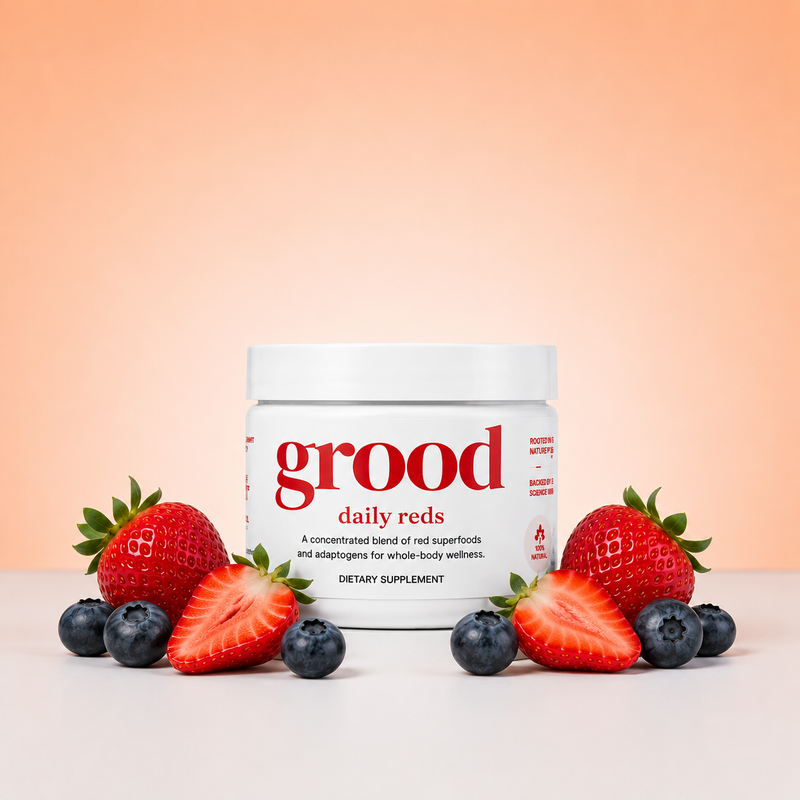
Monthly ritual
30 servings per jar, delivered every month, $1.17 / serving
One-time purchase
30 servings per jar, ships once, $1.67 / serving
Metabolic & anti-inflammatory complex
Botanicals with centuries of traditional use and modern peer-reviewed evidence behind them.
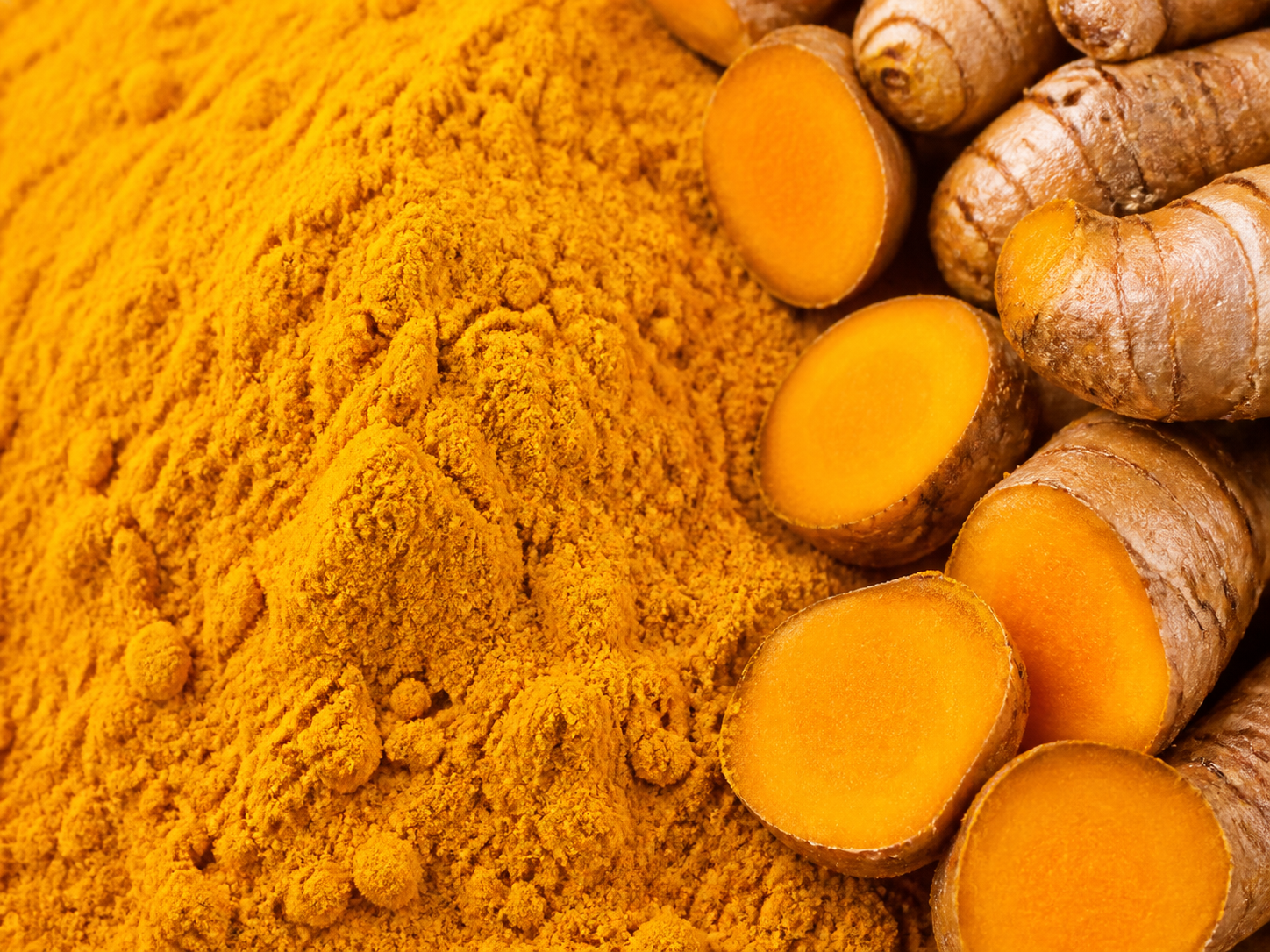
Turmeric powder
Curcumin, turmeric's active compound, is one of the most studied natural anti-inflammatories. Inhibits NF-κB, a key driver of chronic inflammation. Associated with reduced joint pain, improved brain-derived neurotrophic factor, and cardiovascular protection. British Journal of Nutrition, 2016.
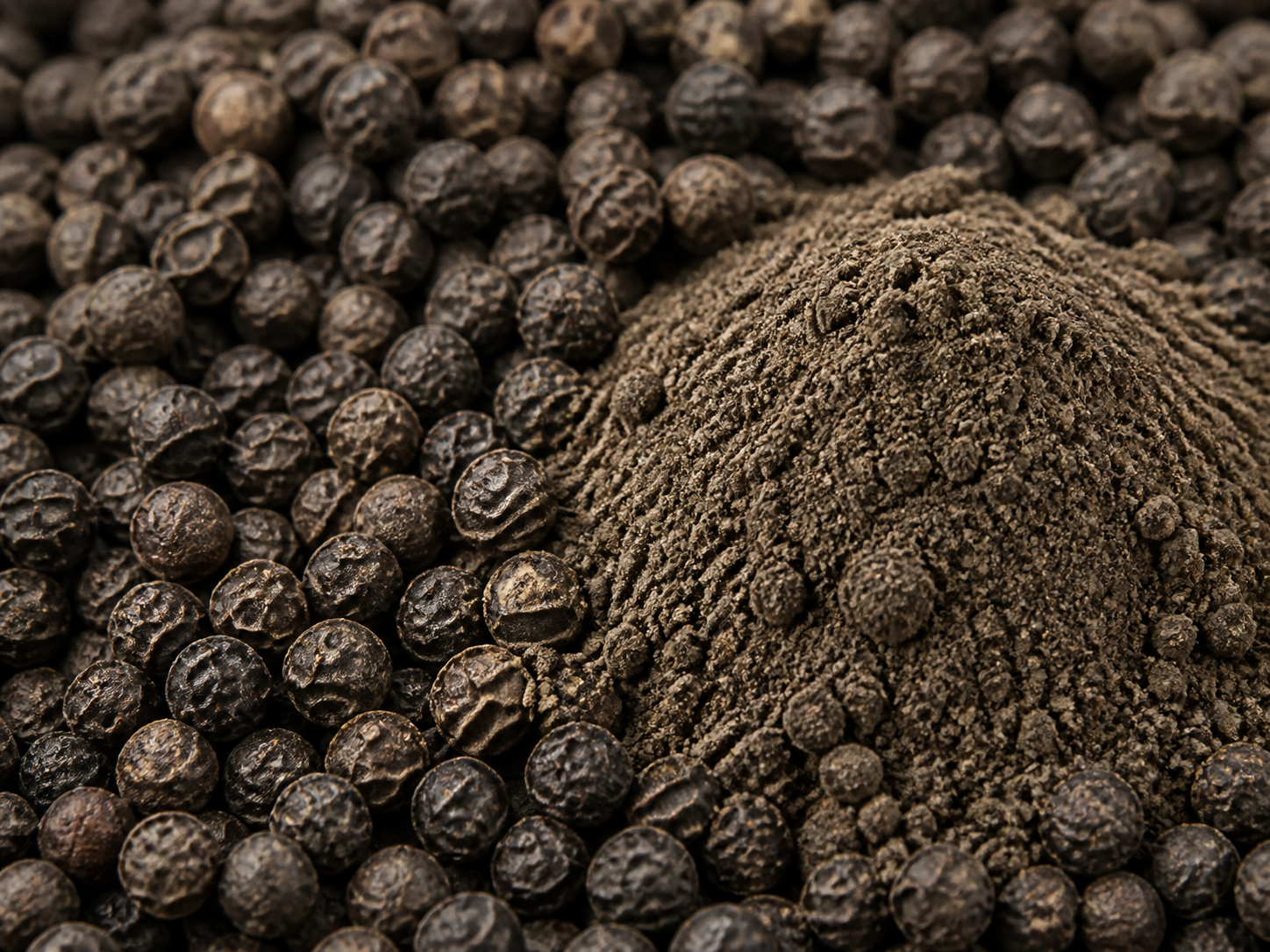
Black pepper extract
Standardised for Piperine, a compound that increases the bioavailability of curcumin by up to 2,000% by inhibiting its rapid metabolism in the liver and intestine. Without it, curcumin absorption is under 1%. This is precisely why both are always included together. Planta Medica, 1998.
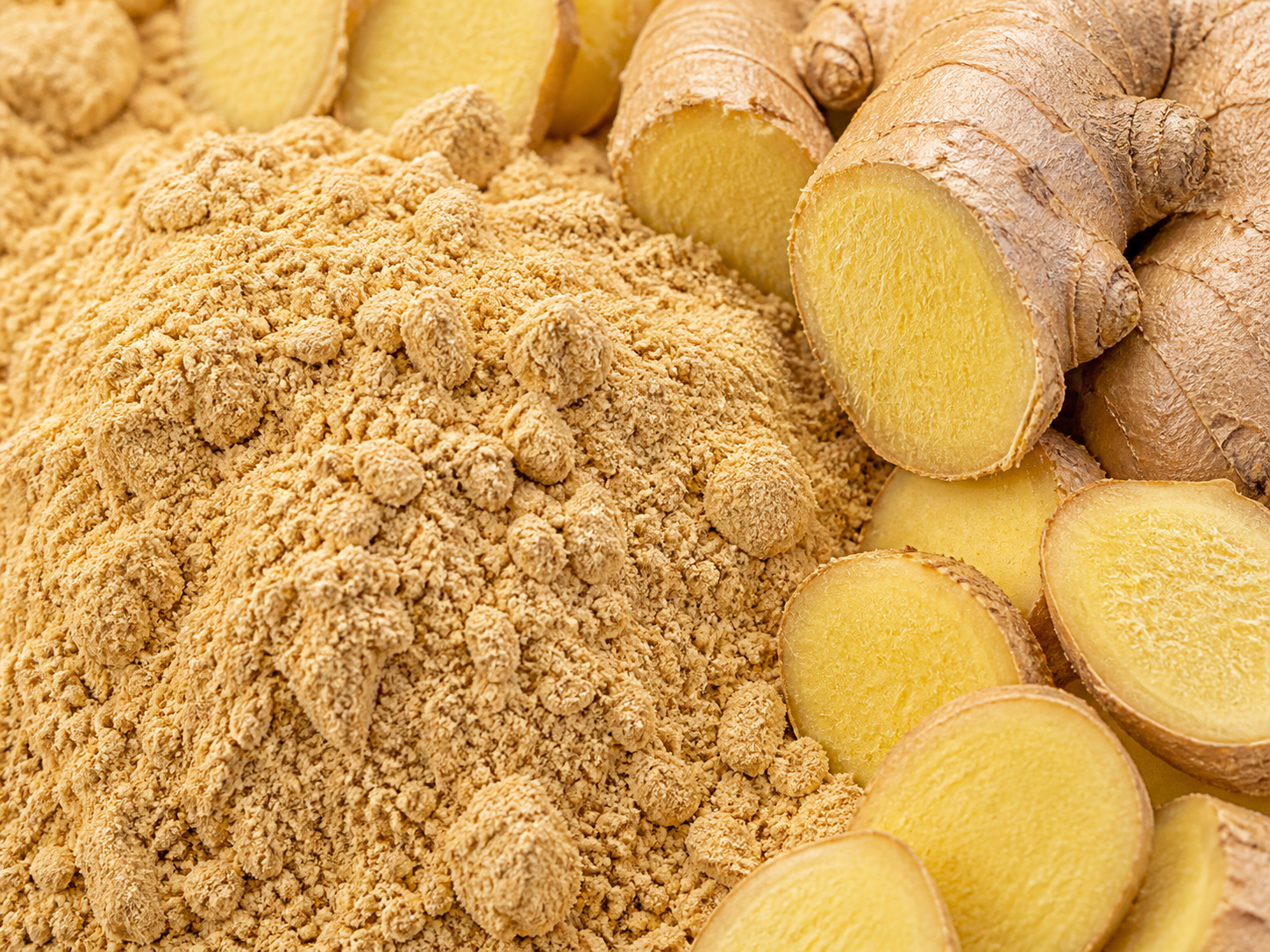
Ginger powder
Standardised for gingerol content. Gingerols and shogaols inhibit pro-inflammatory enzymes (COX-2, LOX). Multiple RCTs show significant reductions in muscle soreness and joint pain markers. Also supports nausea relief and gastric motility. Phytotherapy Research, 2015.
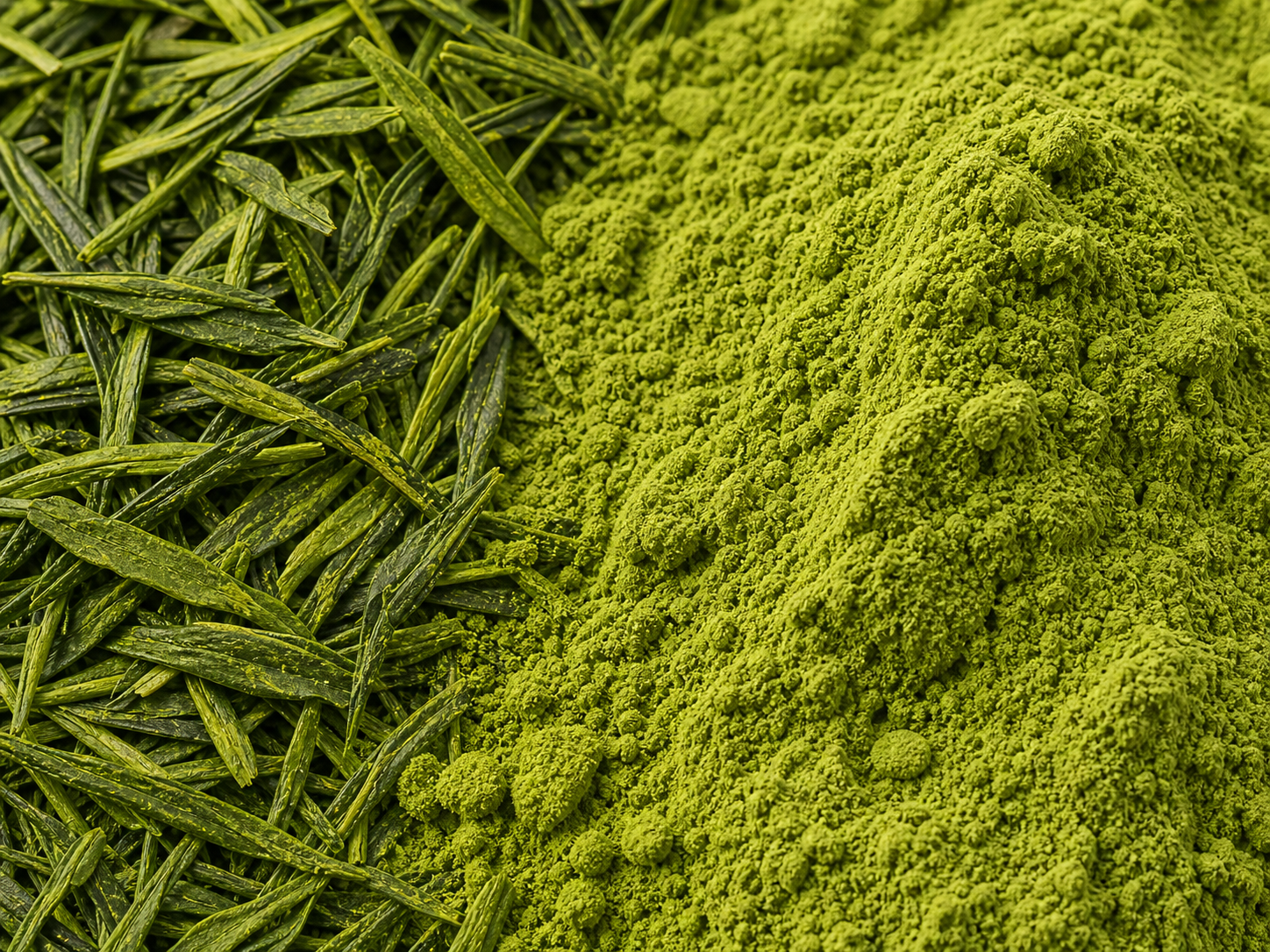
Green tea powder
Standardised for EGCG (epigallocatechin gallate), the most studied catechin in nutritional science. Demonstrated benefits include improved fat oxidation, enhanced insulin sensitivity, reduced LDL oxidation, and neuroprotective effects. American Journal of Clinical Nutrition, 2008.
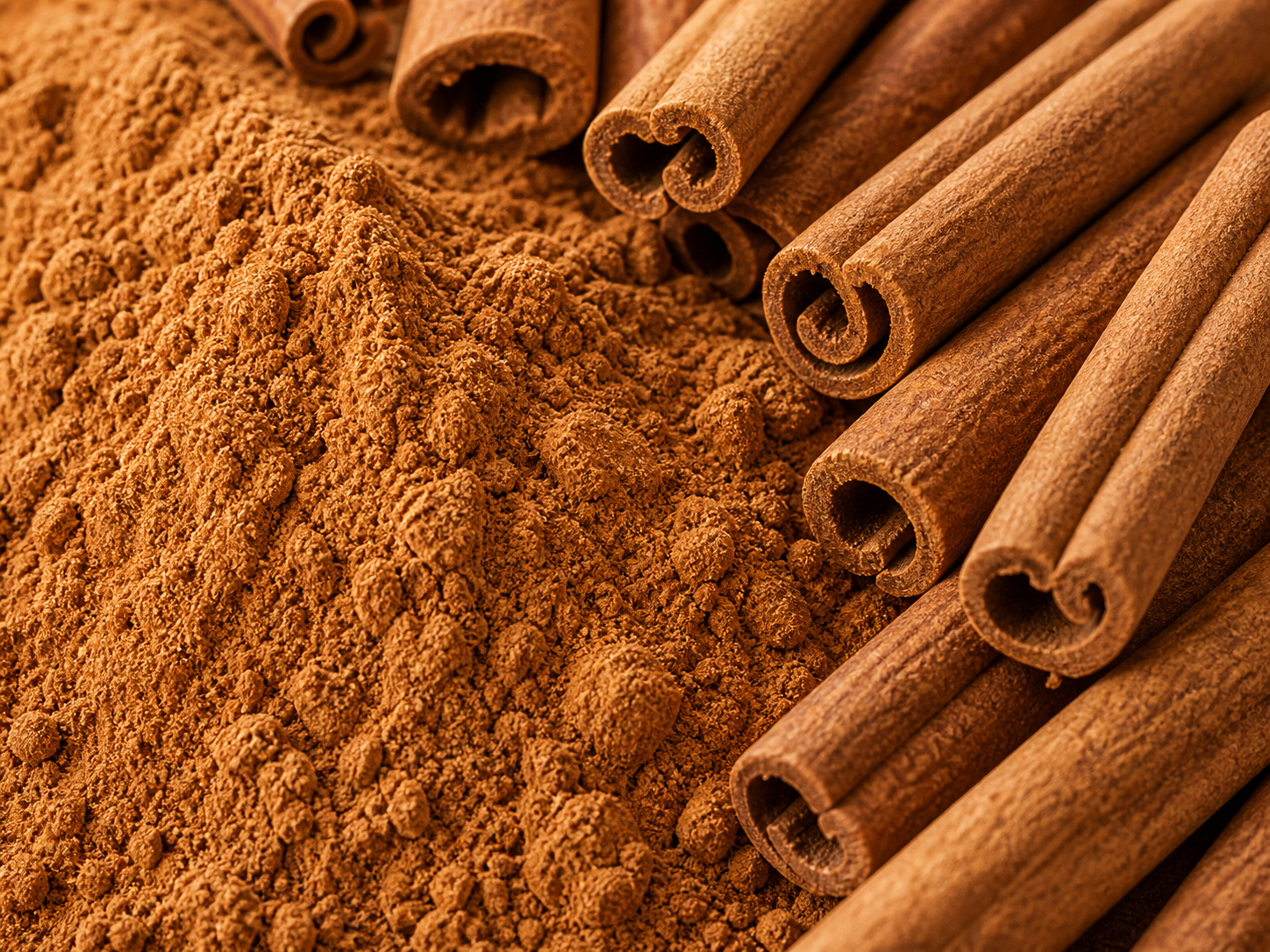
Cinnamon extract
Bark extract standardised for cinnamaldehyde content. Multiple systematic reviews support modest but significant effects on fasting blood glucose and insulin sensitivity in subjects with impaired glucose tolerance. Journal of the Academy of Nutrition and Dietetics, 2013.
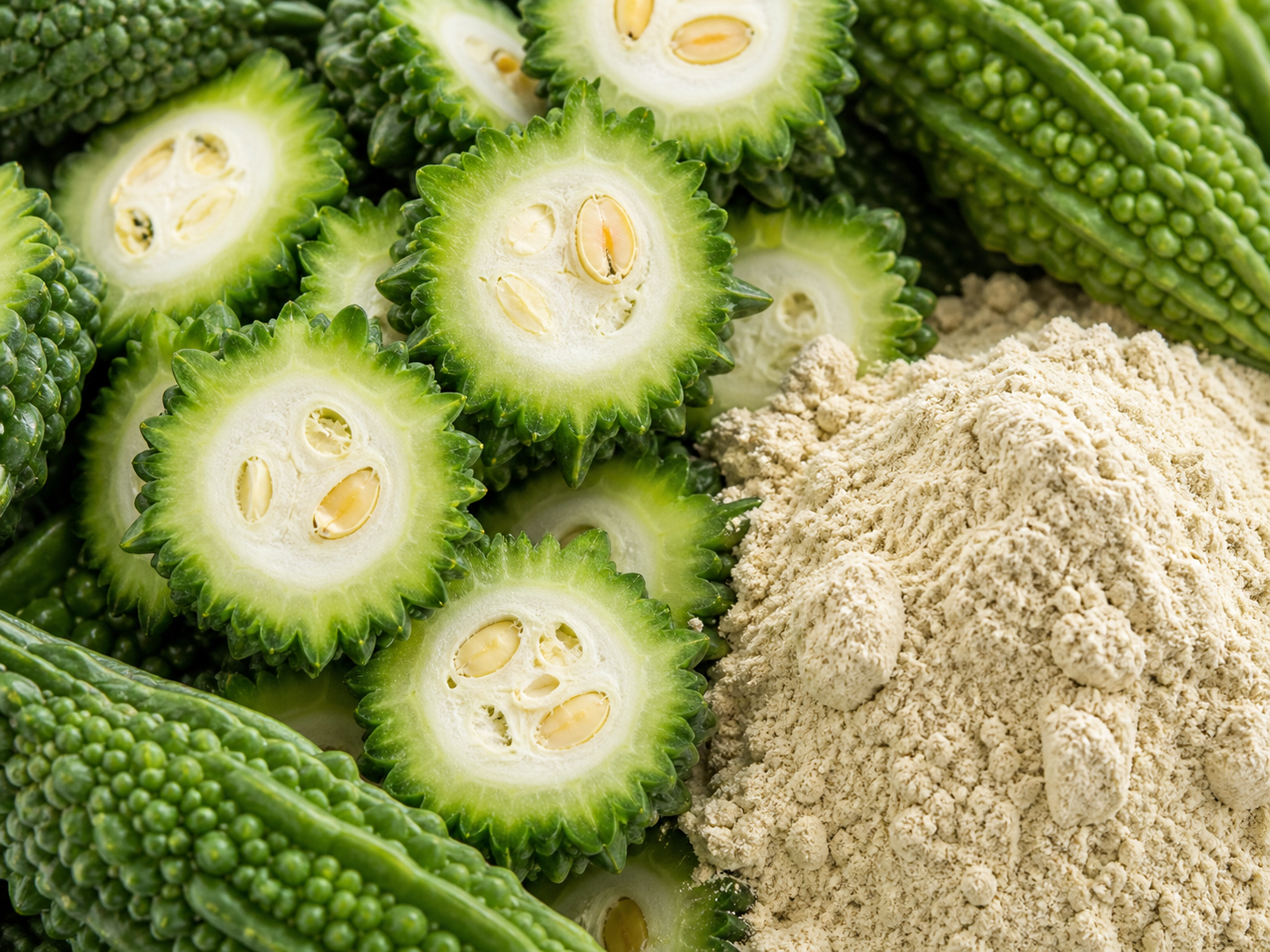
Bitter melon extract
Standardised for charantin and polypeptide-p, bioactive compounds with insulin-mimetic properties. Clinical studies show reductions in fasting blood glucose and HbA1c in subjects with type 2 diabetes or metabolic syndrome. Journal of Ethnopharmacology, 2011.
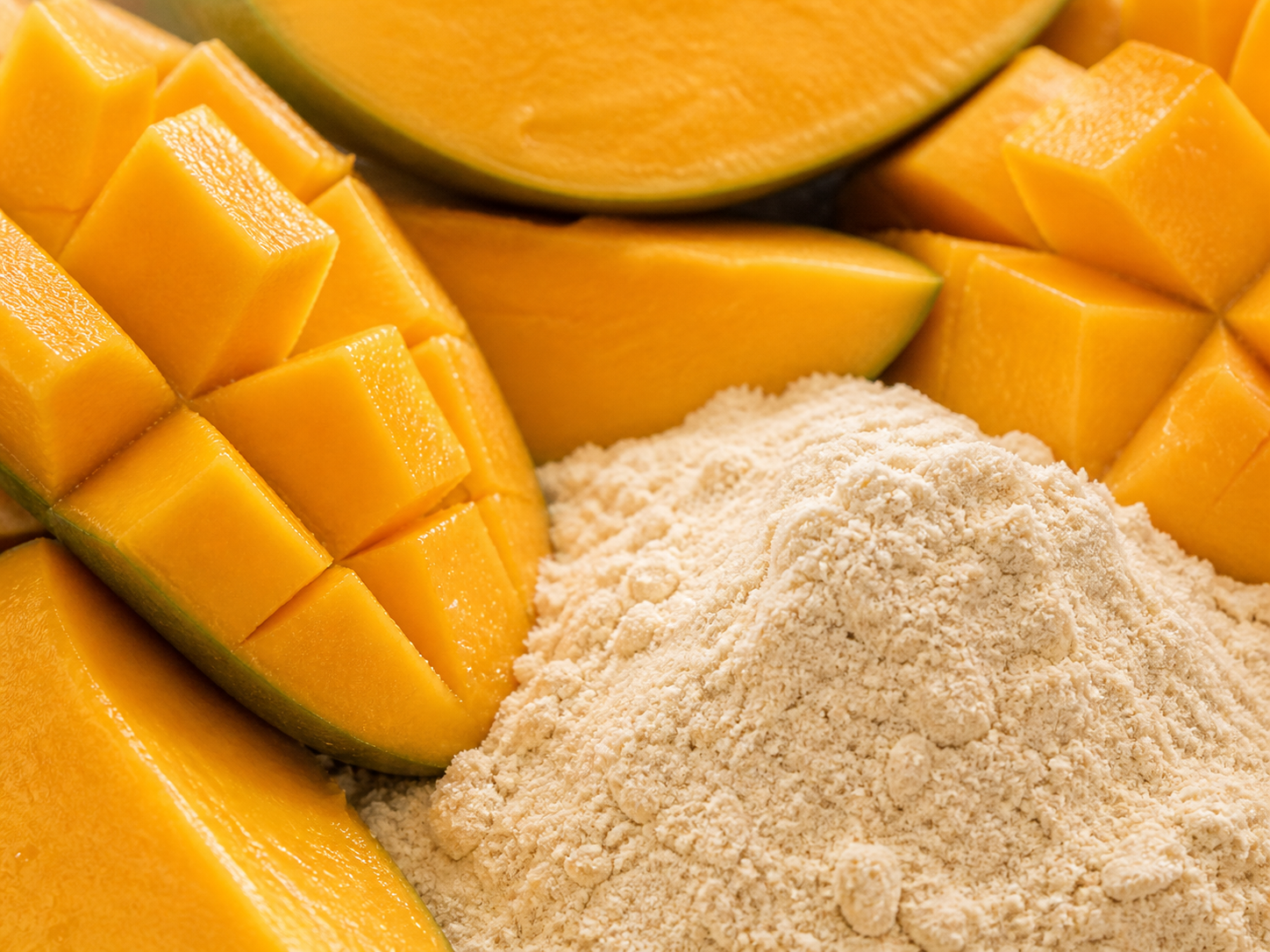
African mango extract
Seed extract of Irvingia gabonensis. RCTs showed statistically significant reductions in body weight, waist circumference, and fasting blood glucose vs. placebo. Mechanisms include inhibition of adipogenesis and improved leptin sensitivity. Lipids in Health and Disease, 2009.
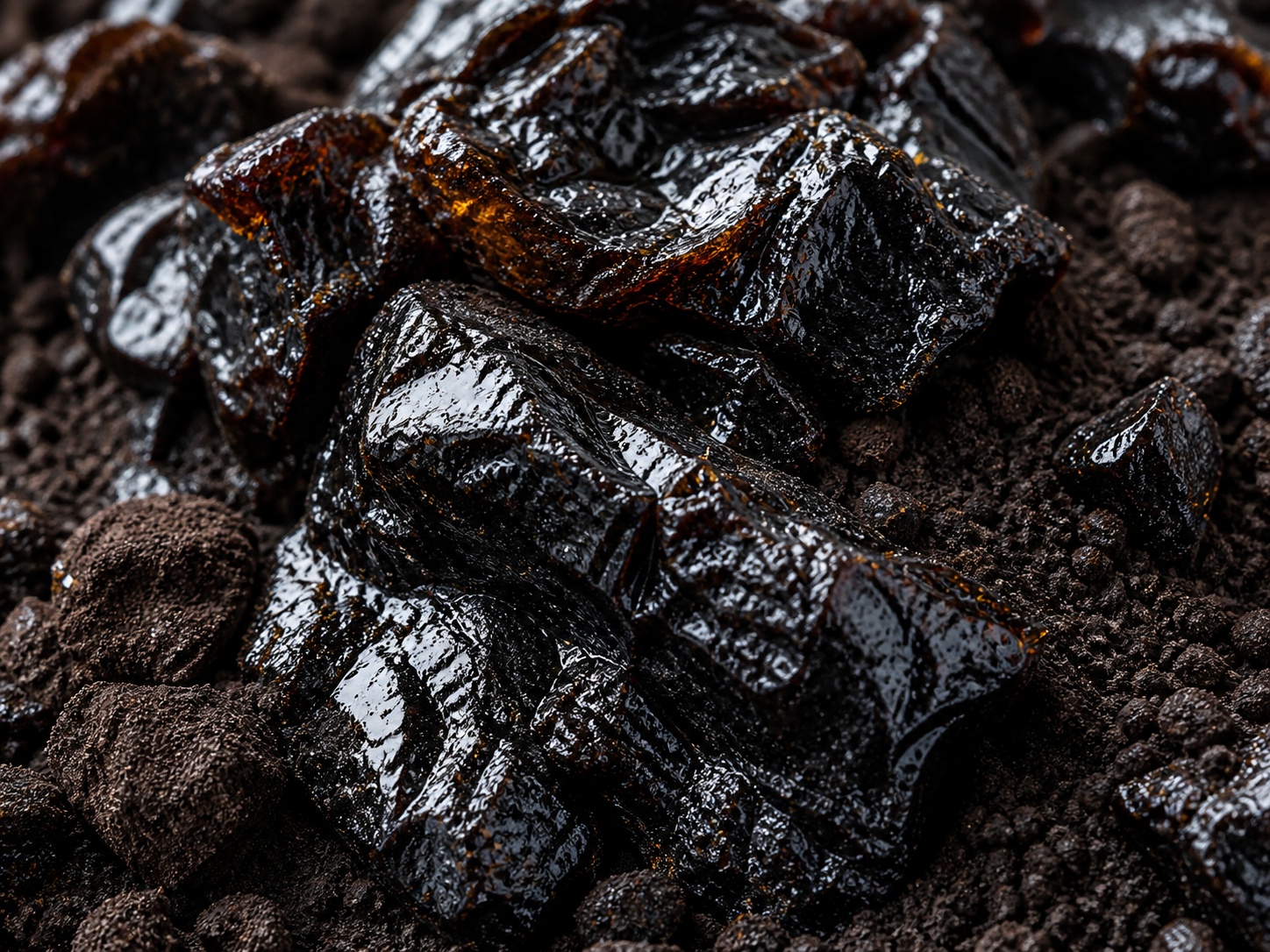
Shilajit extract
A resinous adaptogen from high-altitude Himalayan rocks, rich in fulvic acid and 84+ trace minerals. Fulvic acid enhances mitochondrial function and ATP production. Human studies show improved testosterone levels, cognitive function, and exercise recovery. Andrologia, 2016.
Turmeric powder
Curcumin, turmeric's active compound, is one of the most studied natural anti-inflammatories. Inhibits NF-κB, a key driver of chronic inflammation. Associated with reduced joint pain, improved brain-derived neurotrophic factor, and cardiovascular protection. British Journal of Nutrition, 2016.
Black pepper extract
Standardised for Piperine, a compound that increases the bioavailability of curcumin by up to 2,000% by inhibiting its rapid metabolism in the liver and intestine. Without it, curcumin absorption is under 1%. This is precisely why both are always included together. Planta Medica, 1998.
Ginger powder
Standardised for gingerol content. Gingerols and shogaols inhibit pro-inflammatory enzymes (COX-2, LOX). Multiple RCTs show significant reductions in muscle soreness and joint pain markers. Also supports nausea relief and gastric motility. Phytotherapy Research, 2015.
Green tea powder
Standardised for EGCG (epigallocatechin gallate), the most studied catechin in nutritional science. Demonstrated benefits include improved fat oxidation, enhanced insulin sensitivity, reduced LDL oxidation, and neuroprotective effects. American Journal of Clinical Nutrition, 2008.
Cinnamon extract
Bark extract standardised for cinnamaldehyde content. Multiple systematic reviews support modest but significant effects on fasting blood glucose and insulin sensitivity in subjects with impaired glucose tolerance. Journal of the Academy of Nutrition and Dietetics, 2013.
Bitter melon extract
Standardised for charantin and polypeptide-p, bioactive compounds with insulin-mimetic properties. Clinical studies show reductions in fasting blood glucose and HbA1c in subjects with type 2 diabetes or metabolic syndrome. Journal of Ethnopharmacology, 2011.
African mango extract
Seed extract of Irvingia gabonensis. RCTs showed statistically significant reductions in body weight, waist circumference, and fasting blood glucose vs. placebo. Mechanisms include inhibition of adipogenesis and improved leptin sensitivity. Lipids in Health and Disease, 2009.
Shilajit extract
A resinous adaptogen from high-altitude Himalayan rocks, rich in fulvic acid and 84+ trace minerals. Fulvic acid enhances mitochondrial function and ATP production. Human studies show improved testosterone levels, cognitive function, and exercise recovery. Andrologia, 2016.